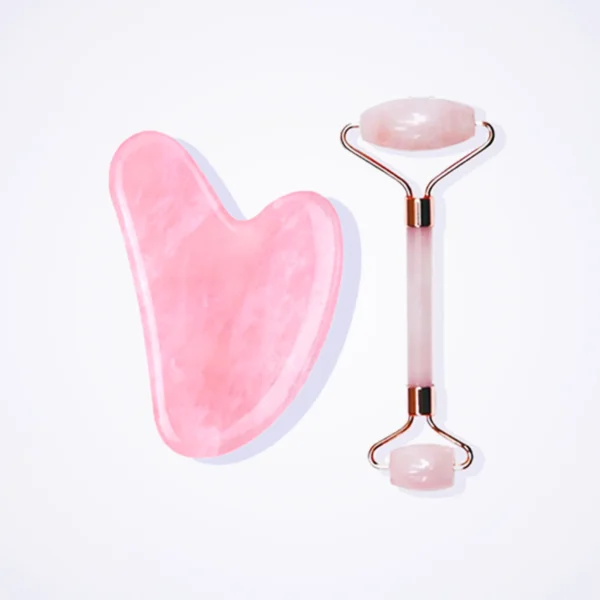
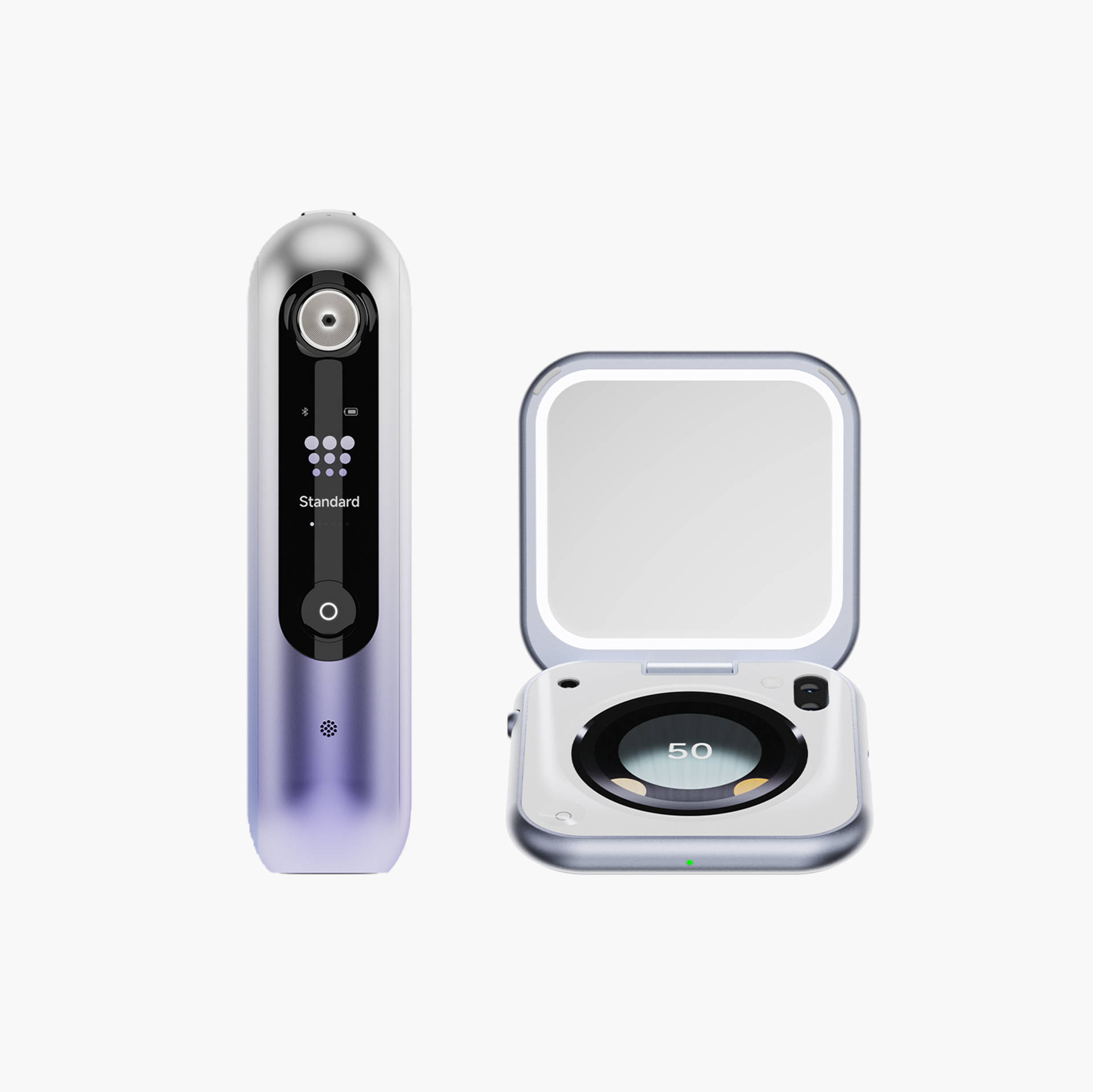
The beauty device market has exploded, and with it comes a legitimate question: are high-tech tools like AI mirrors and nano infusion devices genuinely worth the investment, or are they premium-priced versions of tools you already own?
The Real Cost of Traditional Skincare
Think about what the average skincare enthusiast spends annually—high-end moisturizers, serums, professional facials, and dermatologist consultations. When you add it up, traditional skincare can easily cost $1,000–$3,000 or more per year. And much of that spend is based on guesswork: products that promise results but aren’t tailored to your specific skin needs.
What Smart Devices Replace
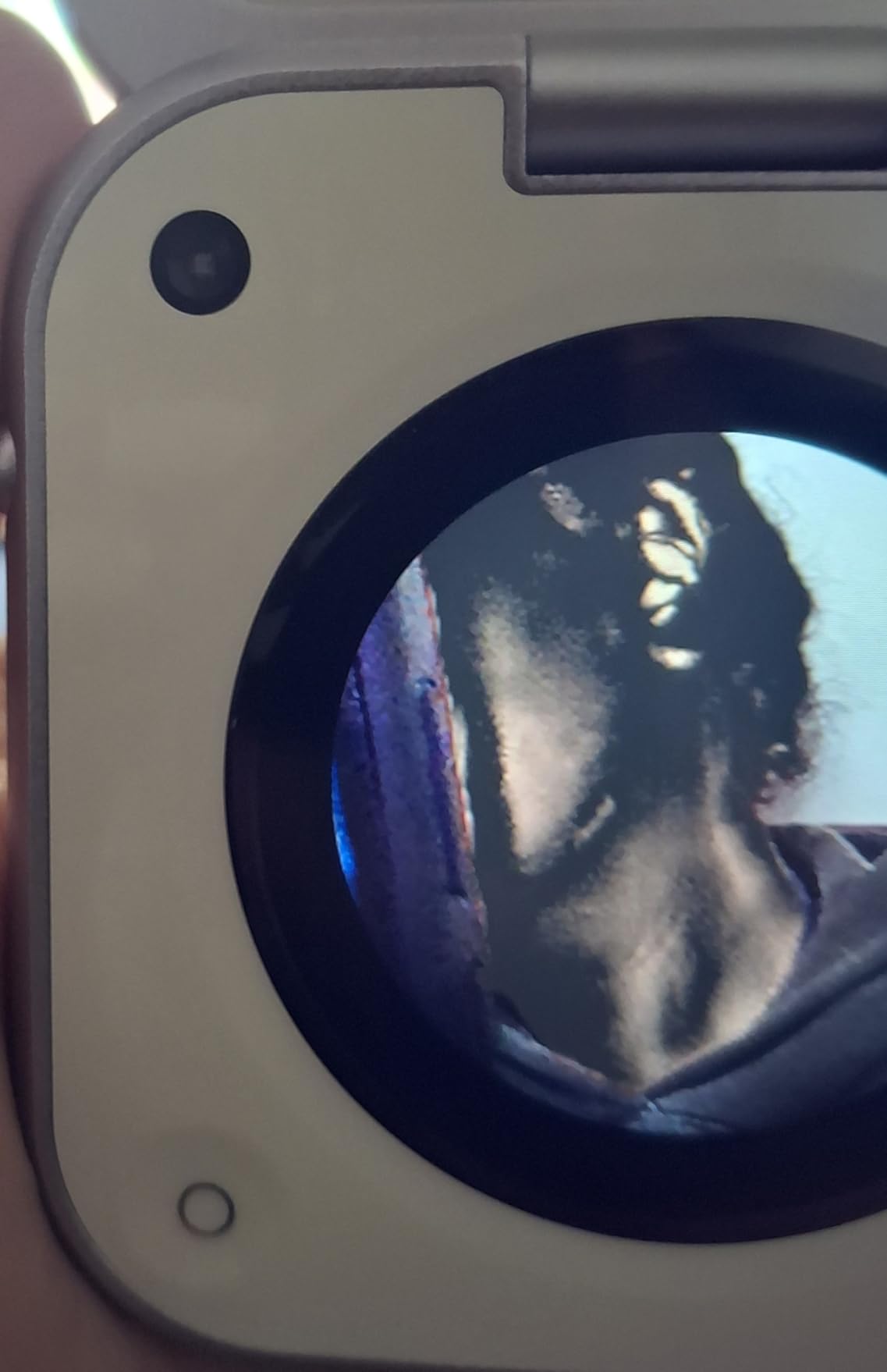
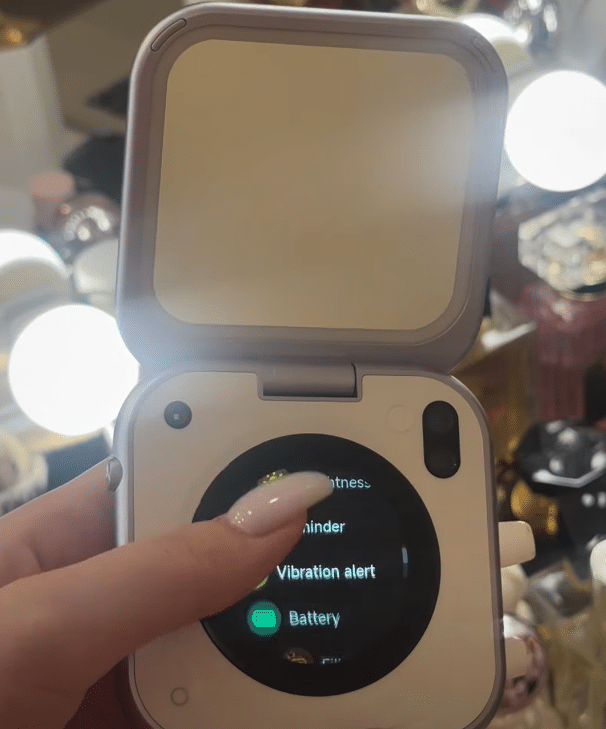
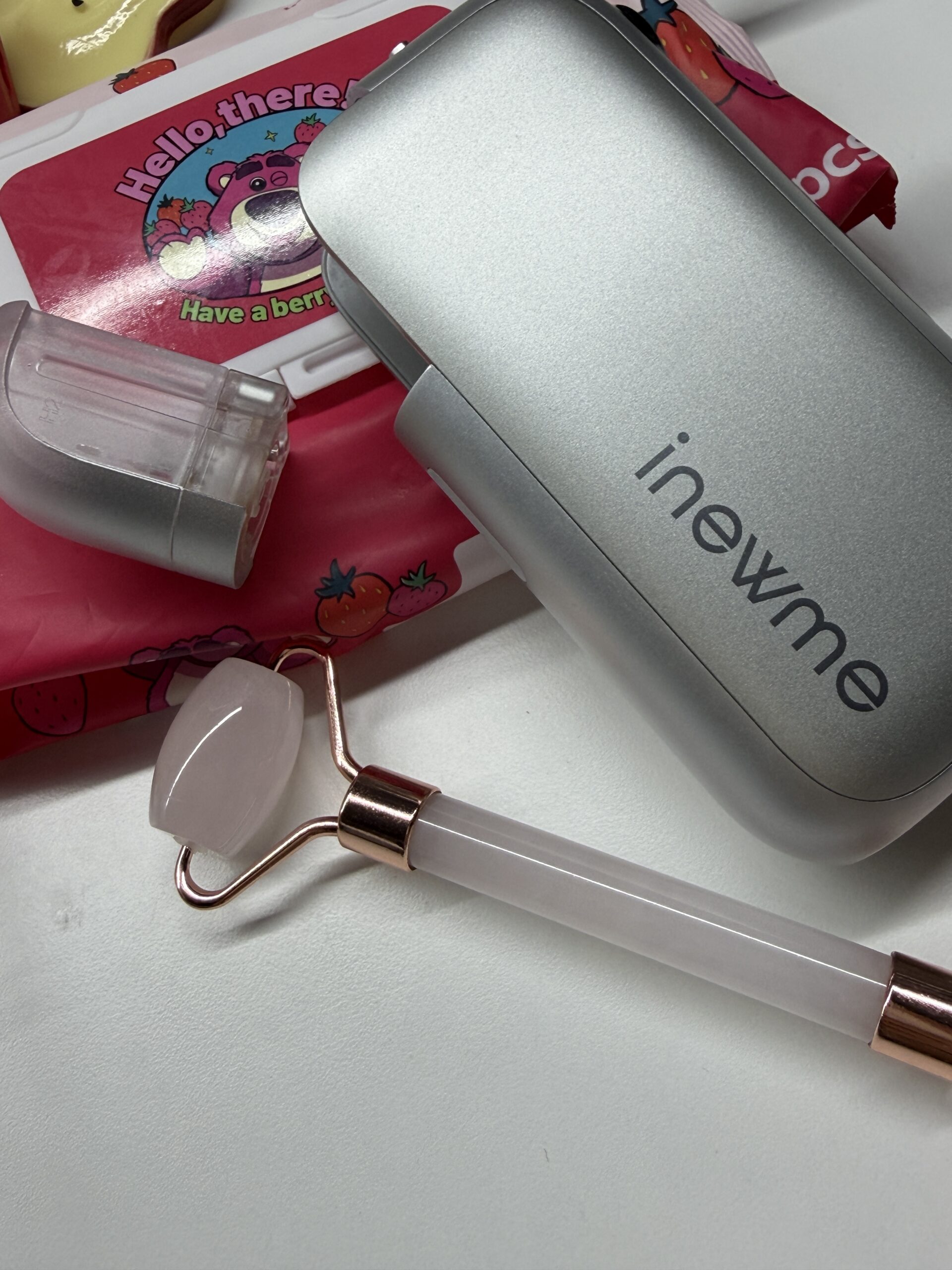
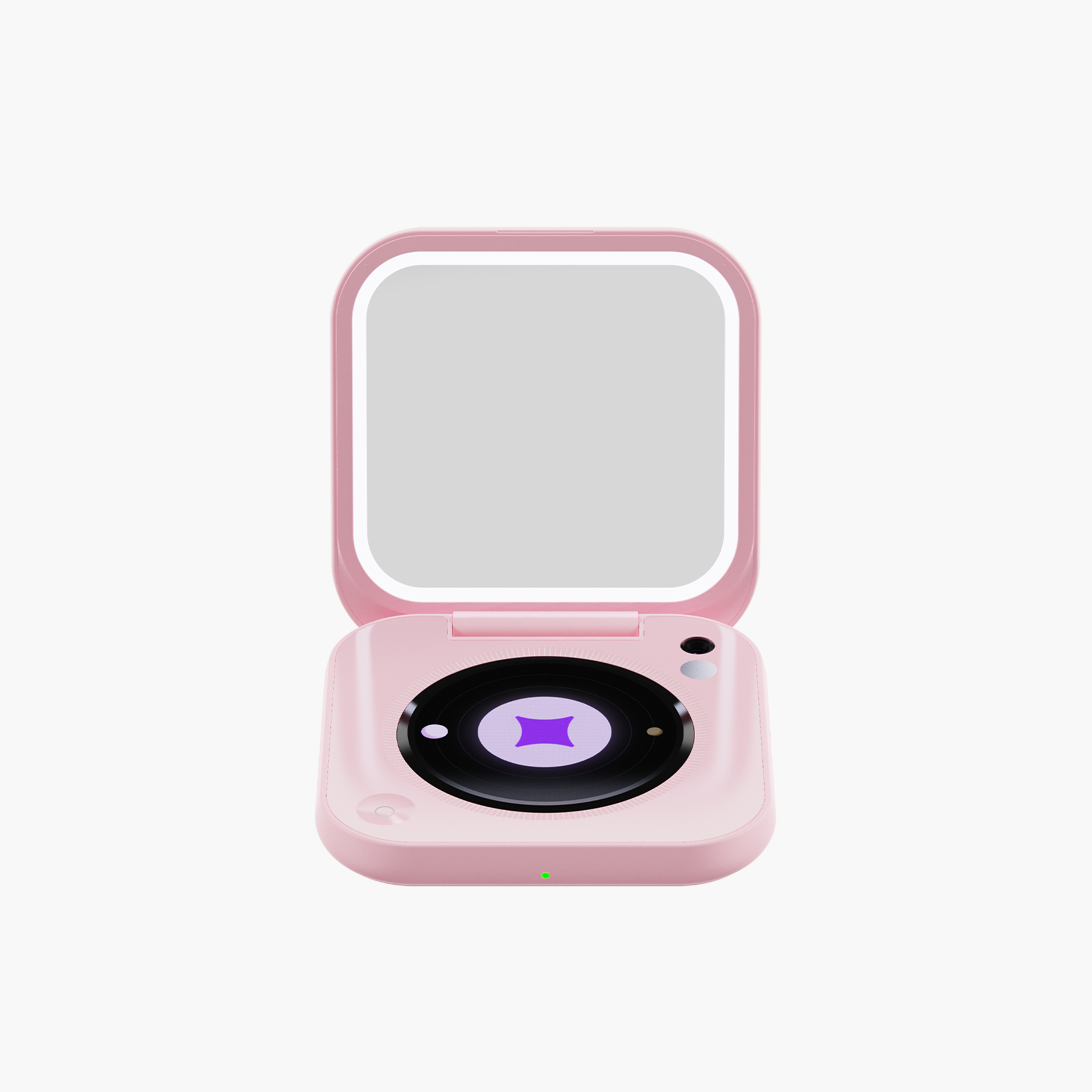
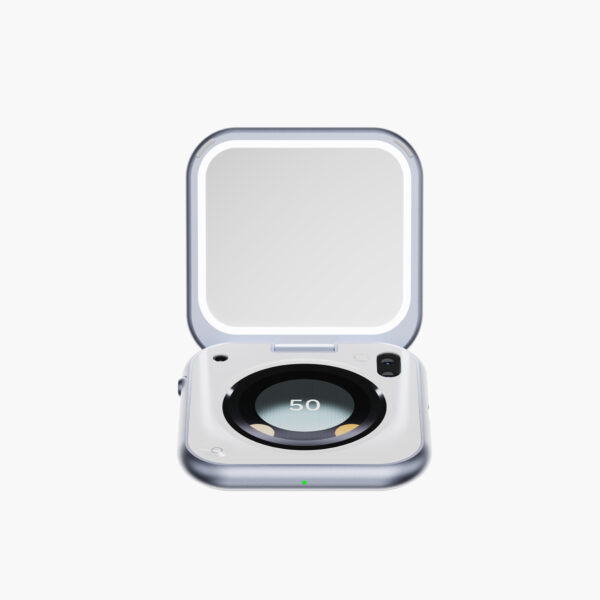
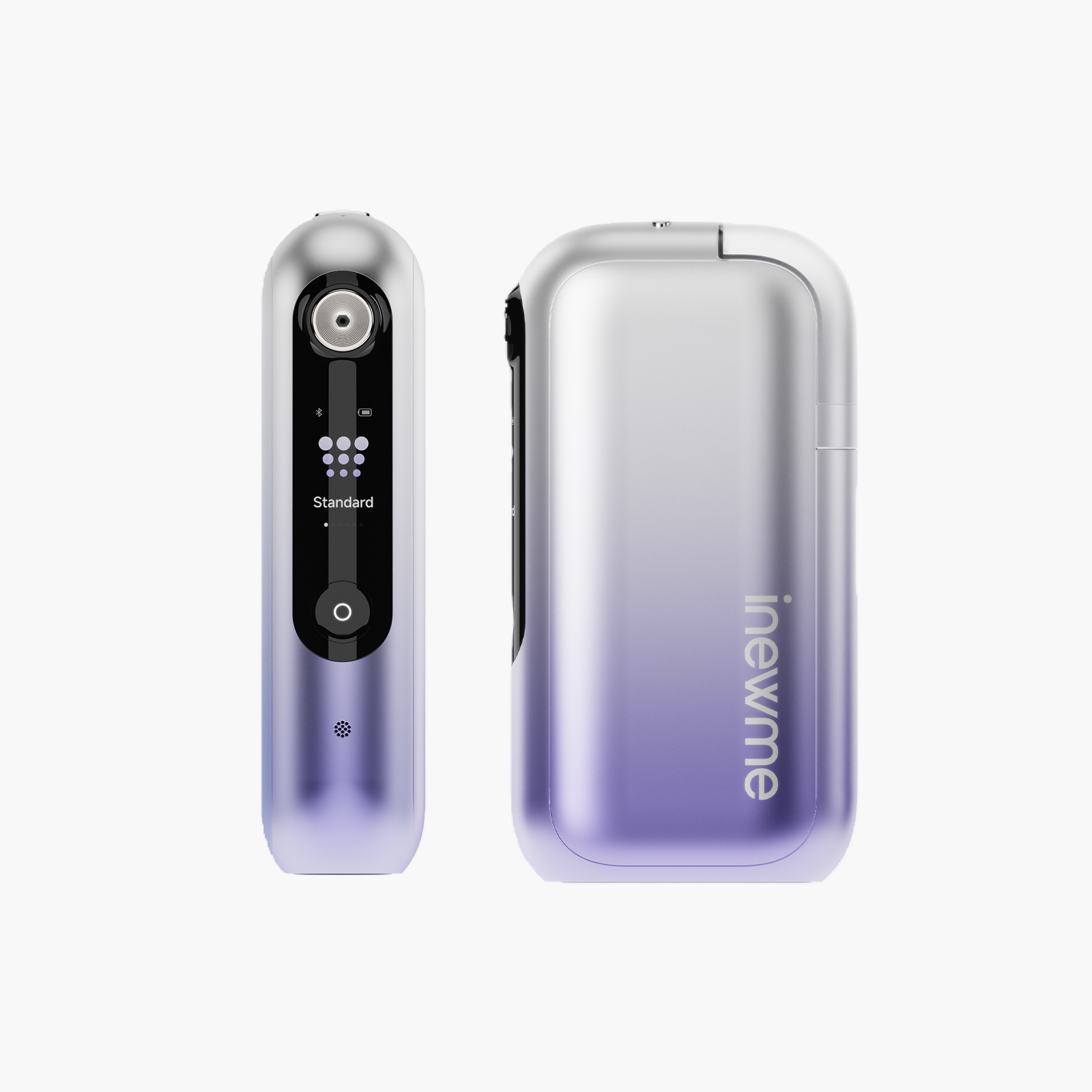
The Aura Mirror Plus replaces the need for regular skin analysis appointments (typically $150–$300 per session) by delivering real-time, accurate skin data every day. Meanwhile, the NanoHydra Infusion Device delivers results comparable to professional mesotherapy treatments—which typically cost $200–$500 per session in a clinic.
Over a 12-month period, the combination of both devices pays for itself multiple times over when compared against the professional treatments they replace.
What They Don’t Replace
To be clear—smart beauty devices are tools, not doctors. They should complement (not replace) professional dermatological care for serious skin conditions. But for the vast majority of skincare goals—hydration, anti-aging, brightness, and evenness—they deliver exceptional, clinic-comparable results at home.
The Verdict
For anyone serious about their skin, smart beauty devices represent a one-time investment that consistently outperforms the cumulative cost of professional treatments and generic skincare products. The data-driven approach simply produces better, more consistent results.
Lorem ipsum dolor sit amet, consectetur adipiscing elit, sed do eiusmod tempor incididunt ut labore et dolore magna aliqua. Ut enim ad minim veniam, quis nostrud exercitation ullamco laboris nisi ut aliquip ex ea commodo consequat. Duis aute irure dolor in reprehenderit in voluptate velit esse cillum dolore eu fugiat nulla pariatur. Excepteur sint occaecat cupidatat non proident, sunt in culpa qui officia deserunt mollit anim id est laborum. Ut enim ad minim veniam, quis nostrud exercitation ullamco laboris nisi ut aliquip ex ea commodo consequat. Duis aute irure dolor in reprehenderit in voluptate velit.


-e1766910137757.png)